Cat vs Dog Person: Signs in Behavior, Routine & Attention
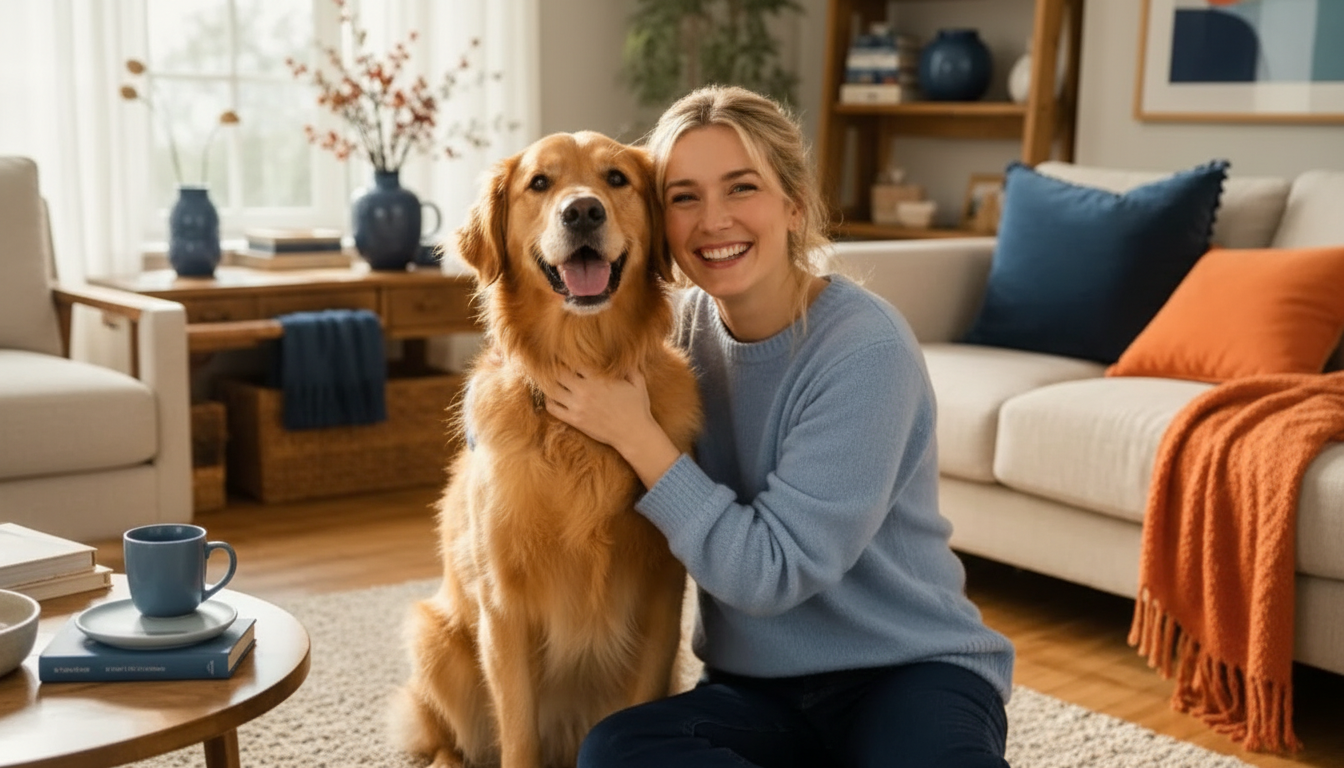
How to tell if someone is a cat or dog person?
Start with how they talk about pets in everyday life. Dog people often describe animals in active terms—walks, games, training, trips outside, and “let’s go” energy. Cat people tend to focus on comfort, routines, cozy corners, and the satisfaction of earning an animal’s trust over time.
Watch what they do when an animal approaches
When a friendly dog trots up, a dog person usually leans in quickly, offers a hand, and goes straight to petting. Cat people are more likely to pause, let the animal come closer on its own terms, and look for a gentle “invite” before touching. Neither is better—just different styles of reading social cues.
Listen for preferences around attention
Dog people often enjoy constant companionship and obvious affection—tail wags, greetings at the door, and following from room to room. Cat people typically appreciate quieter connection: hanging out nearby, subtle signals, and affection that comes in short, meaningful moments.
Notice how they handle plans and routines
Dogs usually pull their humans into a schedule (walks, potty breaks, outings). If someone likes structured daily habits and being out and about, they may lean dog. If they enjoy flexible downtime at home and a more independent pet relationship, they may lean cat.
Check their idea of “training” and “boundaries”
Dog people are often enthusiastic about teaching cues and reinforcing behaviors. Cat people may focus more on setting up the environment—scratching options, safe perches, and predictable spaces—so the pet can make good choices on its own.
Many people are happily both. For more telltale signs and fun, low-pressure ways to spot the difference, visit the full guide here.
FAQ
What are some subtle signs someone is an animal lover in general?
They notice animals wherever they go, speak gently around them, and respect boundaries—like asking before petting or giving a shy pet space. They also tend to keep basics in mind, such as water, comfort, and safety, even when it’s not their own pet.










Leave a comment